Electrical panel
Breaker sizing and labeling, signs of overheating or corrosion, proper wire terminations, available capacity, and whether the panel is a type with a documented history of problems.
Port St. Lucie & the Treasure Coast
A licensed electrician walks through your home room by room, checking the panel, wiring, outlets, and safety devices — and hands you a clear written report of what's fine, what needs attention, and what should be fixed first.
Licensed & insured · Florida Electrical License #ER13016161 · Mon–Sat 8 a.m.–5 p.m., 24/7 emergency
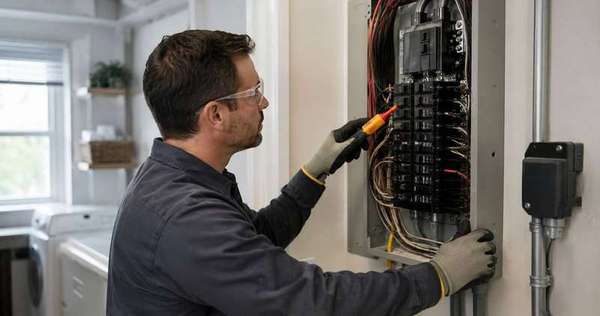
An inspection is not a repair visit — it's a systematic look at your home's entire electrical system so nothing dangerous goes unnoticed. Here is what gets checked:
Breaker sizing and labeling, signs of overheating or corrosion, proper wire terminations, available capacity, and whether the panel is a type with a documented history of problems.
Visible wiring in the attic, garage, and crawl spaces checked for damage, improper splices, overloaded circuits, and outdated materials such as degraded insulation or unsafe do-it-yourself additions.
Every room's receptacles and switches tested for correct wiring, loose devices, scorch marks, and grounding. GFCI protection is verified in kitchens, bathrooms, garages, laundry areas, and outdoor outlets; AFCI protection is checked where required.
The grounding electrode system and main bonding connections are inspected — Florida's frequent lightning makes solid grounding especially important for protecting your home and electronics.
Placement, power source, and condition of smoke and carbon monoxide alarms throughout the home, including whether aging units are past their replacement date.
Recessed lights, ceiling fans, and exterior fixtures checked for correct installation, proper boxes and support, and heat buildup — a common issue in Florida attics.
Buyers get a clear picture of the electrical system's condition before closing — and sellers can fix flagged items before they become negotiation points. Inspections are especially worthwhile for homes 20 years or older.
A documented inspection between tenants confirms the electrical system is safe, provides a baseline for future comparisons, and demonstrates due diligence on your rental property.
If your home still has its original panel, has had rooms added, or shows warning signs — flickering lights, breakers that trip, warm outlets, or a burning smell — an inspection pinpoints the cause before it becomes an emergency.
Storms stress every part of your home's electrical system. An inspection before hurricane season confirms your panel, grounding, and safety devices are ready — and identifies surge protection gaps while there's still time to fix them.
For homeowners who want an inspection every year without thinking about it, we offer the Home Electrical Safety Plan at $149/year. It includes an annual safety inspection, priority scheduling, 10% off repairs, and a waived diagnostic fee — one flat rate that keeps your home's electrical system checked on a regular schedule.
Ask About the Safety PlanMost single-family homes take one to two hours, depending on the home's size, age, and how much of the wiring is accessible. You'll get the written report after the visit.
Brief, controlled shutoffs may be needed to test the panel safely, but we coordinate around your schedule and keep any interruption as short as possible.
No. A general home inspector only looks at what's visible. A licensed electrician tests circuits, opens the panel, checks connections and grounding, and can diagnose problems on the spot.
Every one to three years for most homes, and sooner if your home is over 30 years old, has had unpermitted additions, or shows symptoms like tripping breakers or flickering lights.
We'll tell you immediately and explain the risk in plain terms. Urgent hazards get top priority in the report, and we can usually schedule the repair right away.
Yes. Landlords use our inspections between tenants or annually to document the electrical condition of a property and catch issues before they become liability problems.
Some insurers ask about panel type or system age when writing or renewing a policy. A licensed electrician's report gives you documented facts about your system to share with your agent.
We perform electrical safety inspections throughout the Treasure Coast:
Service provider: Florida Electrical and Fire Alarm LLC
Phone: (561) 552-3753
Email: services.floridaelectrical@gmail.com
License: Florida Electrical License #ER13016161
Hours: Monday–Saturday 8 a.m.–5 p.m.; 24/7 emergency service
A service-area business serving Port St. Lucie, Fort Pierce, Stuart, Jensen Beach, and Palm City.
Call (561) 552-3753 and let us know what's prompting the inspection — buying or selling a home, an insurance or landlord requirement, an older home you've never had checked, or a specific worry like a warm outlet. Knowing the reason helps us focus on the right things.
A licensed electrician works through your home checking the panel, breakers, outlets, switches, GFCI and AFCI protection, grounding, and smoke and carbon monoxide alarms. We test rather than just look, and we explain anything we find as we go — in plain language, not jargon.
After the visit you get a clear written summary: what's in good shape, what needs attention soon, and what can wait. Findings are prioritized, so you can deal with genuine safety items first instead of facing one undifferentiated list.
If corrections are needed, we provide a separate written estimate for the work and answer your questions about it. Whether you book the repairs with us or not, the findings are yours to keep and use however you choose.
Send us a few details and we'll call back to schedule your inspection.